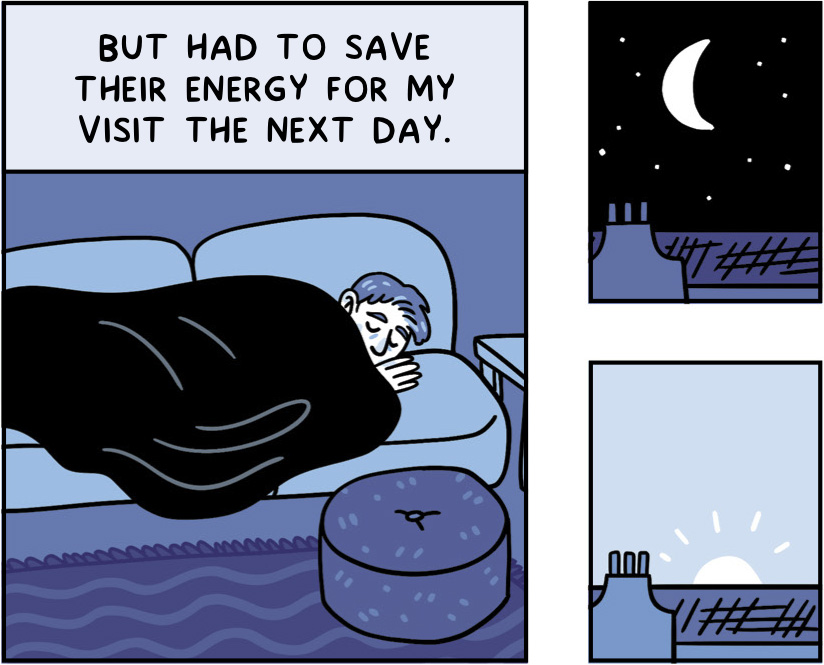
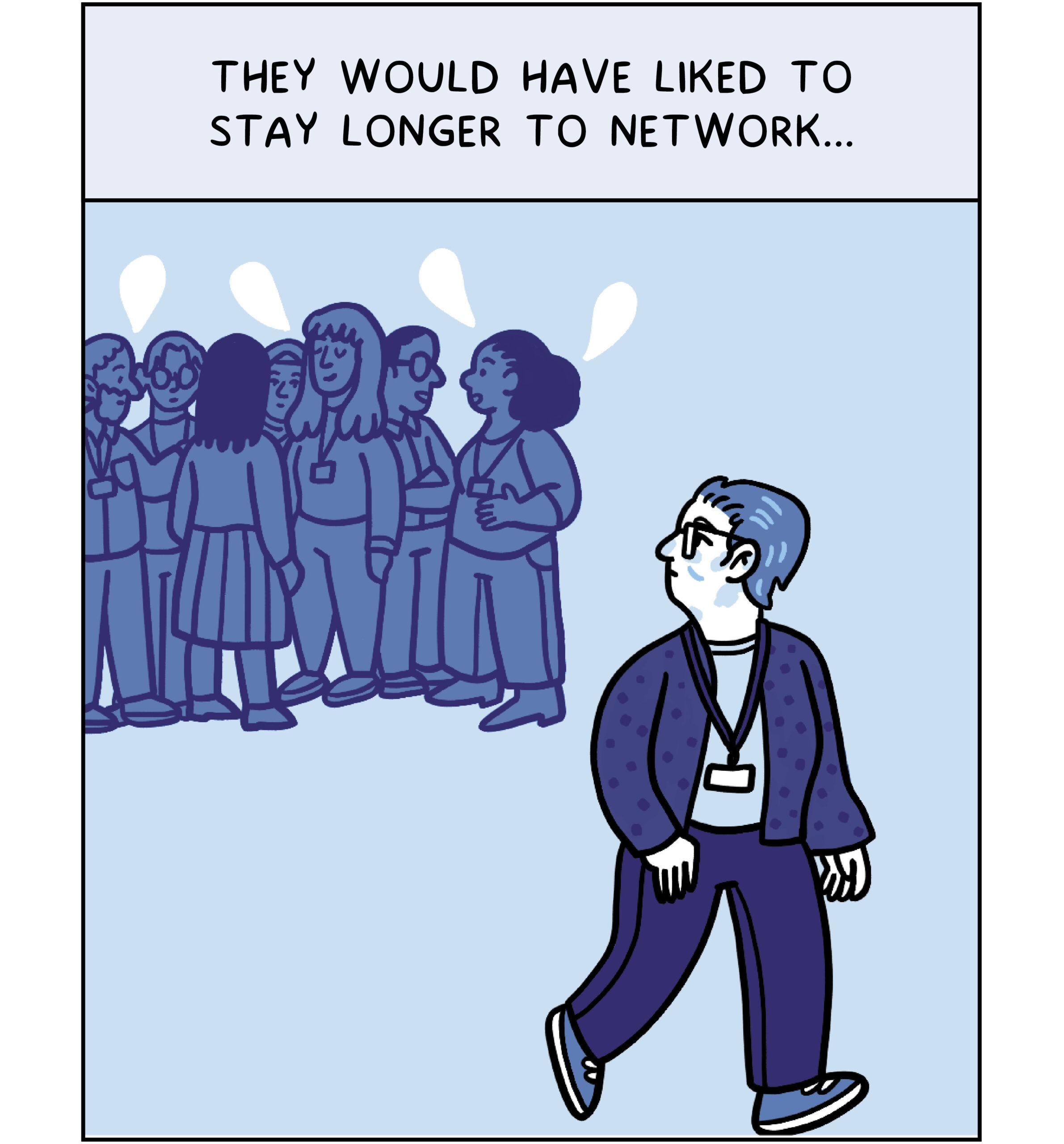
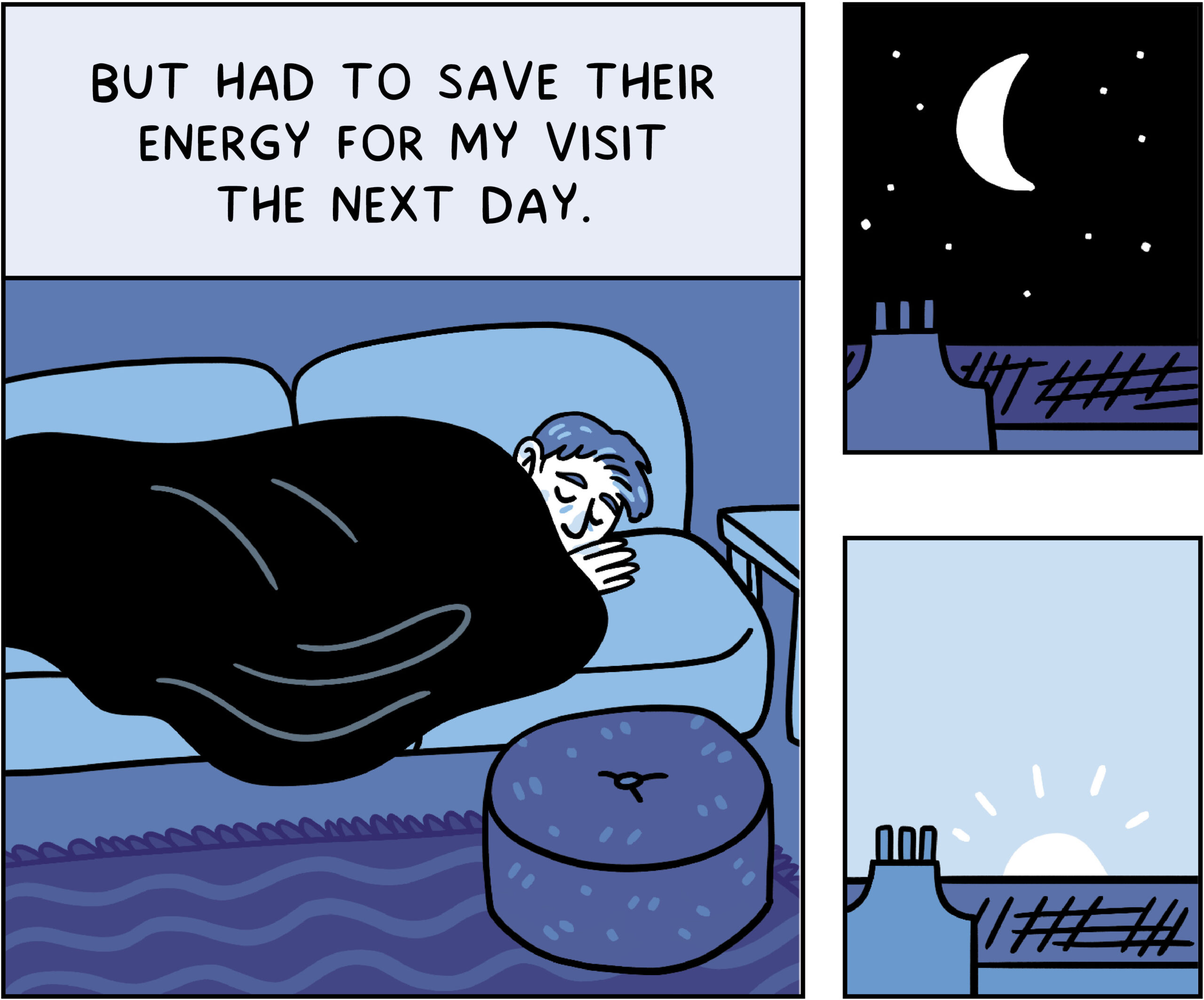
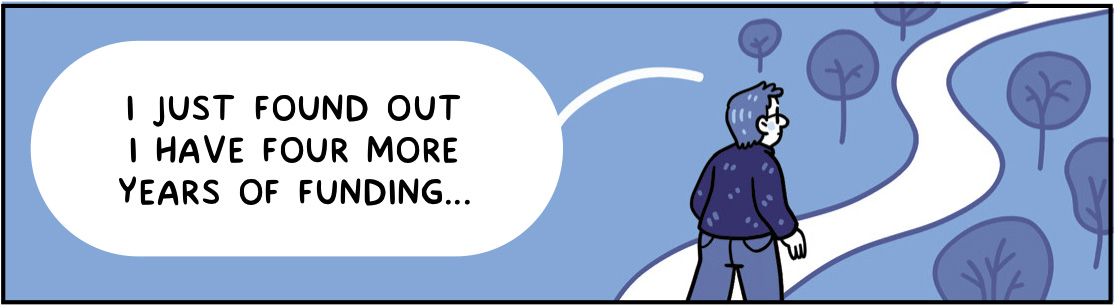
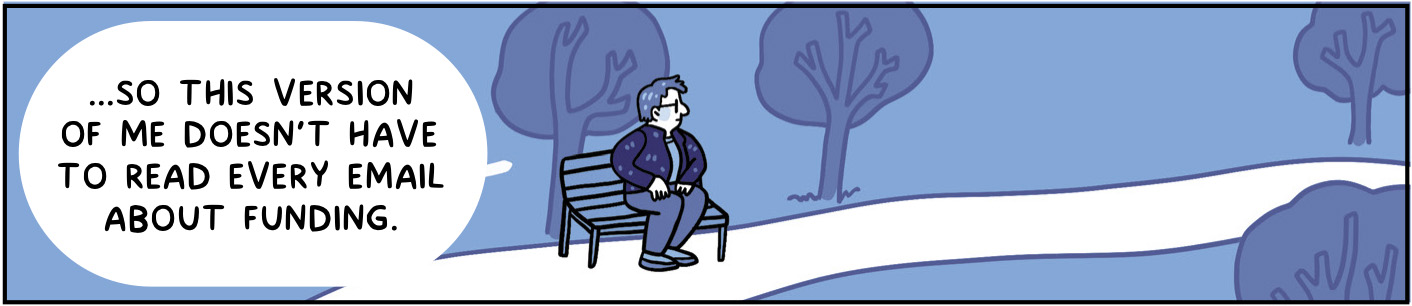
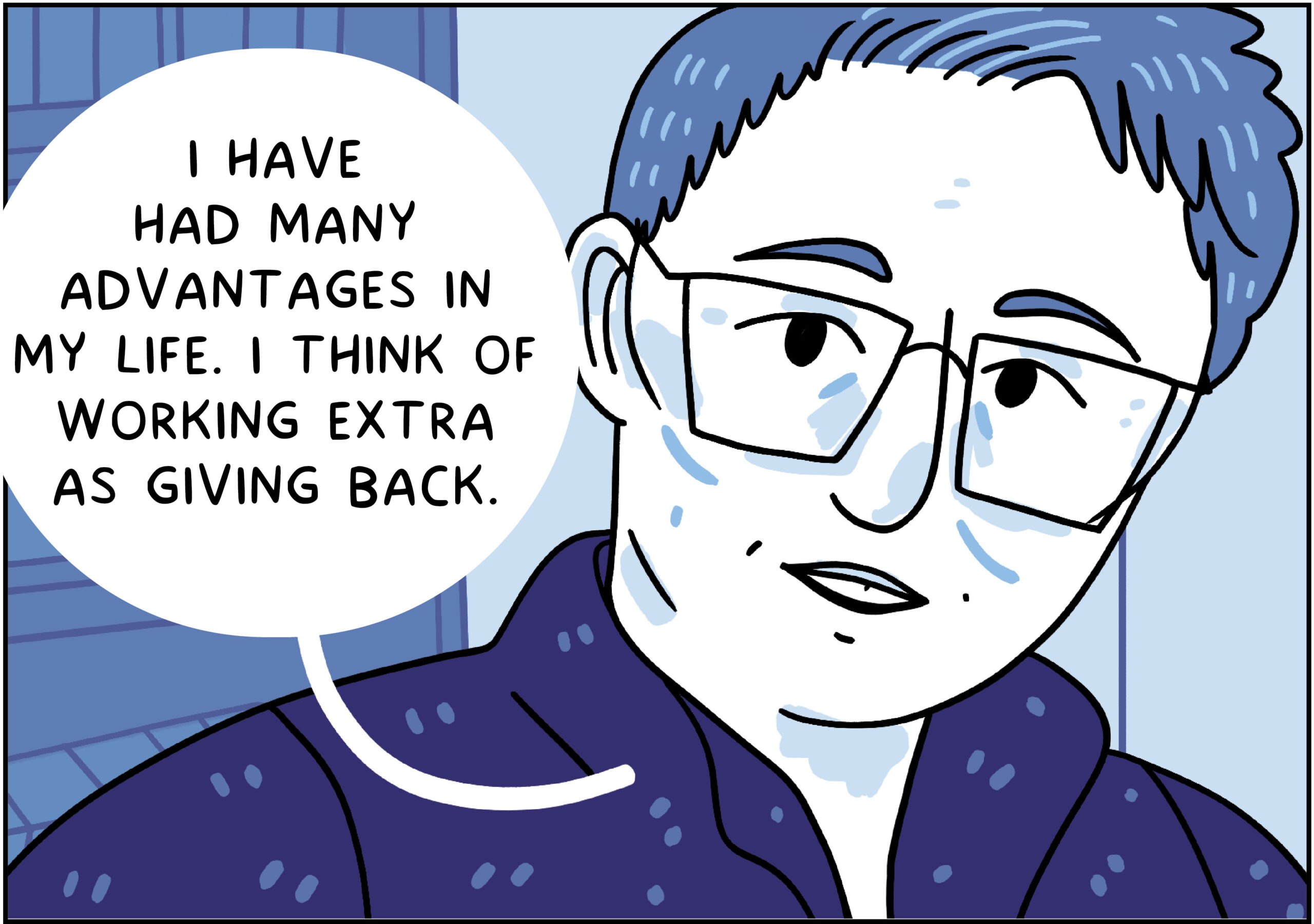
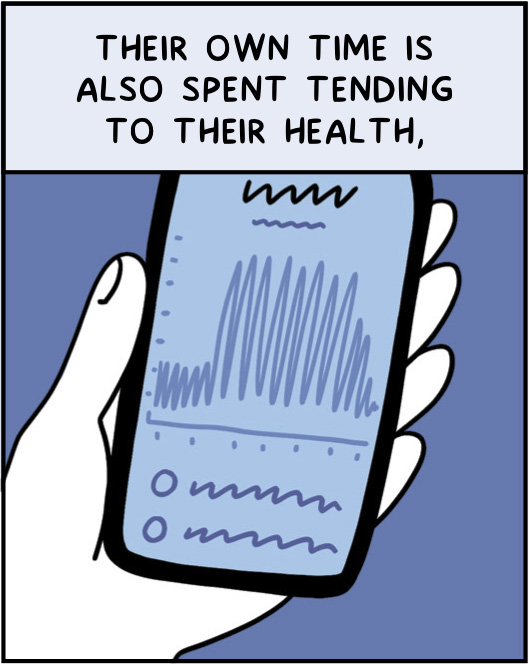
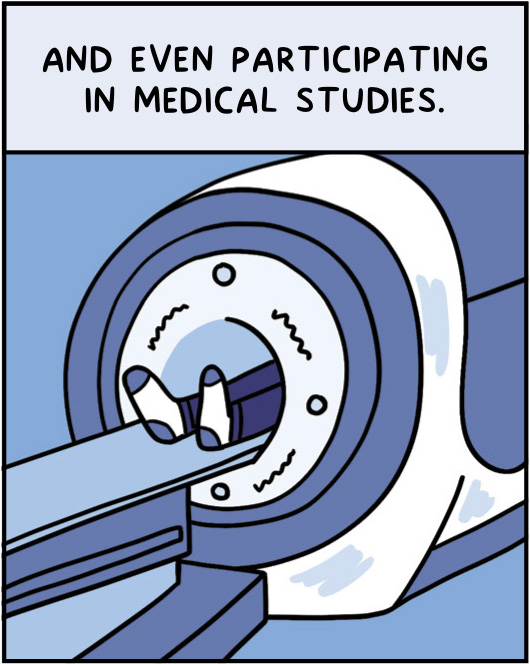
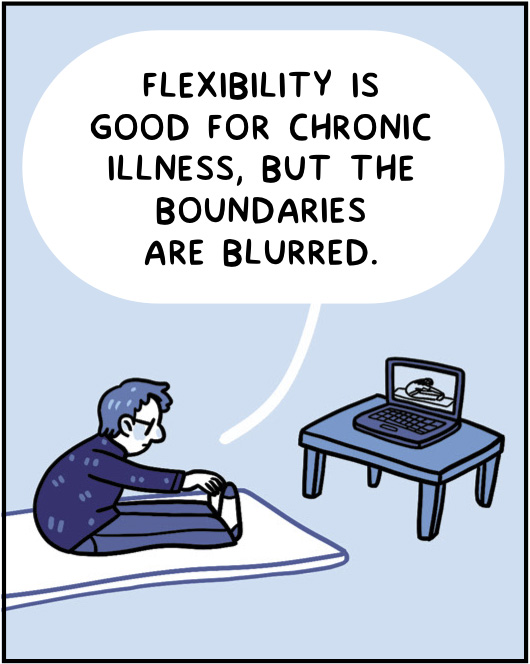
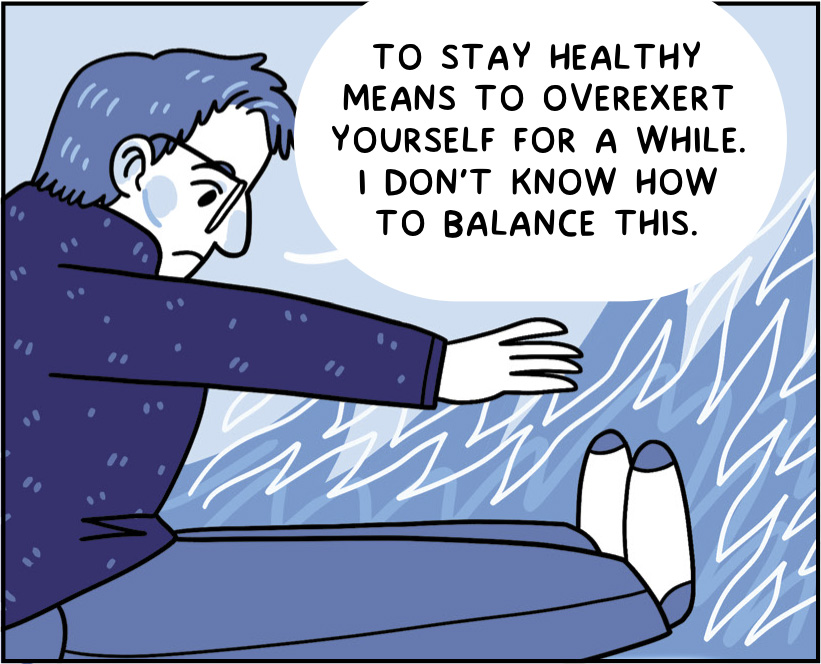
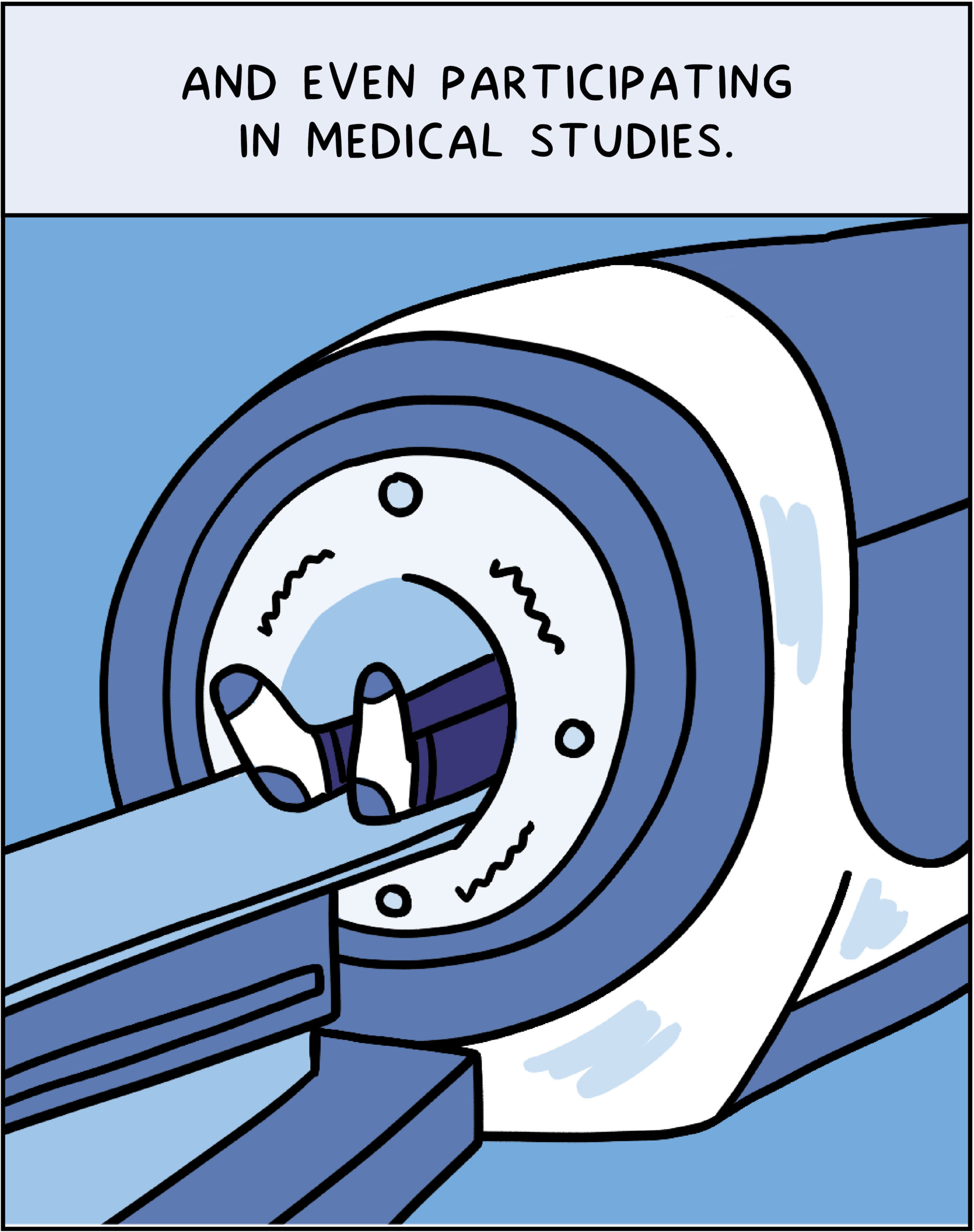
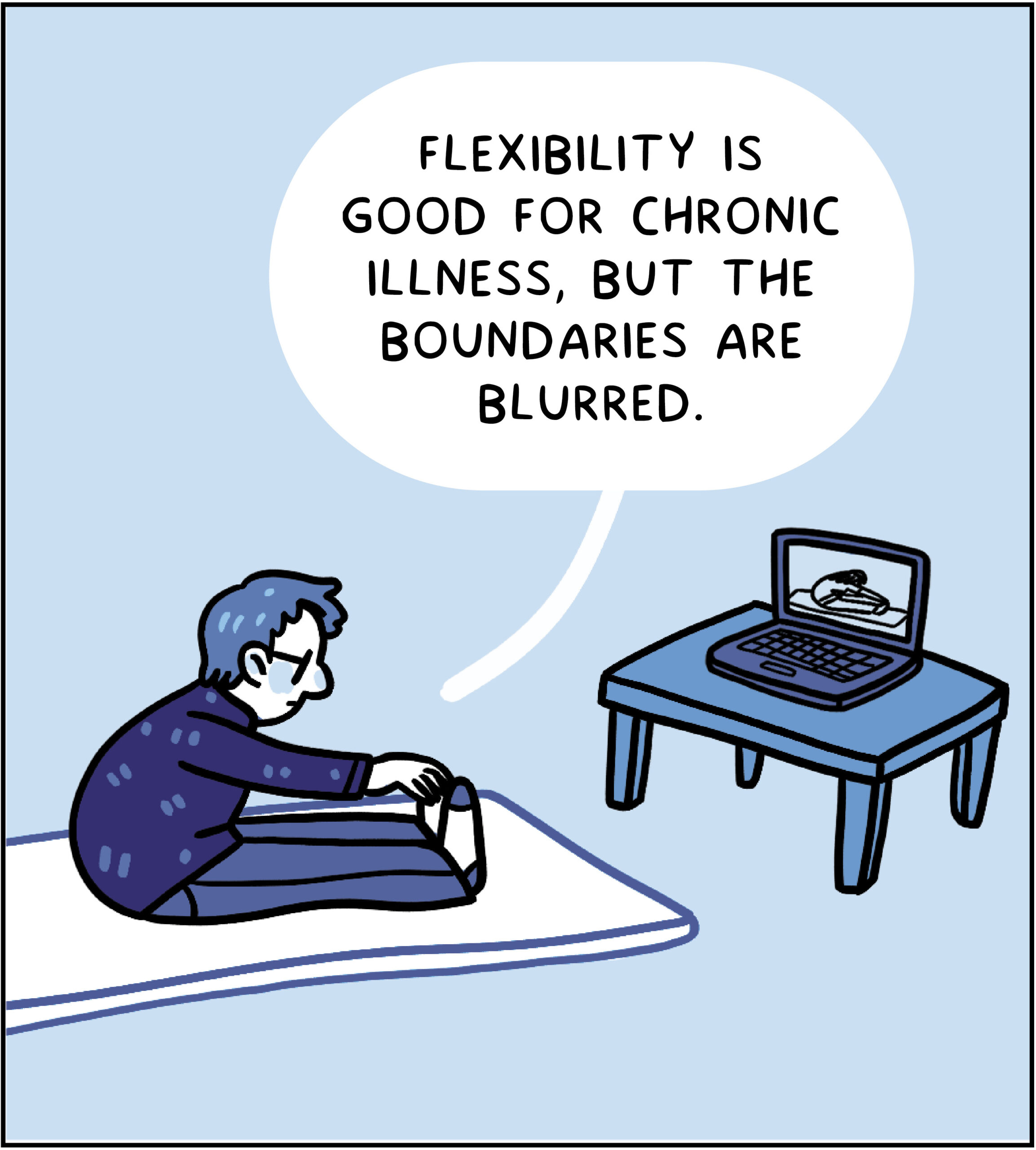
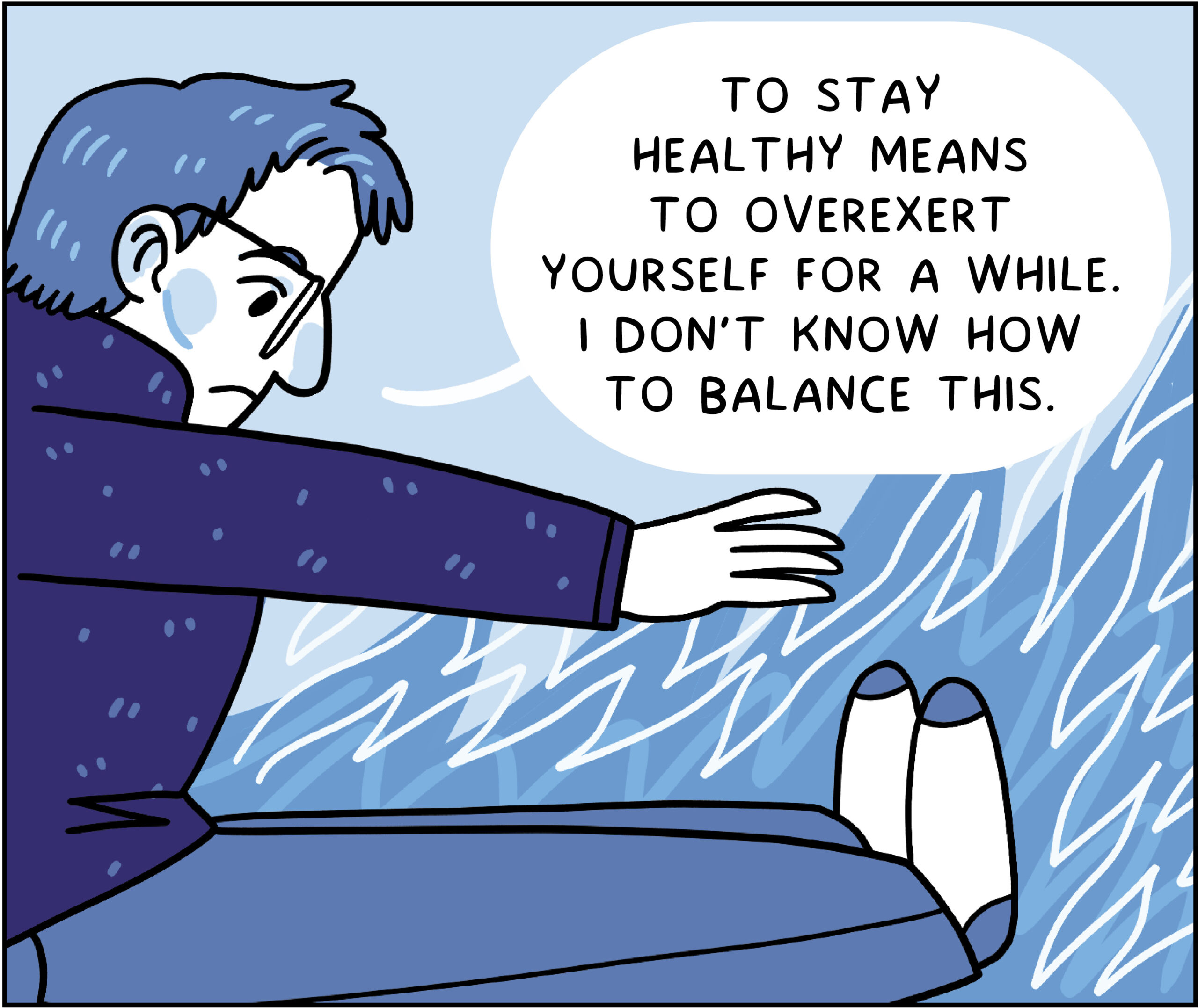
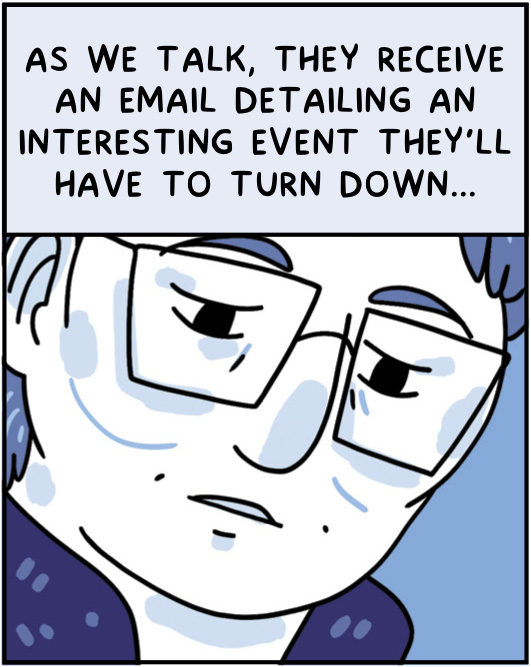
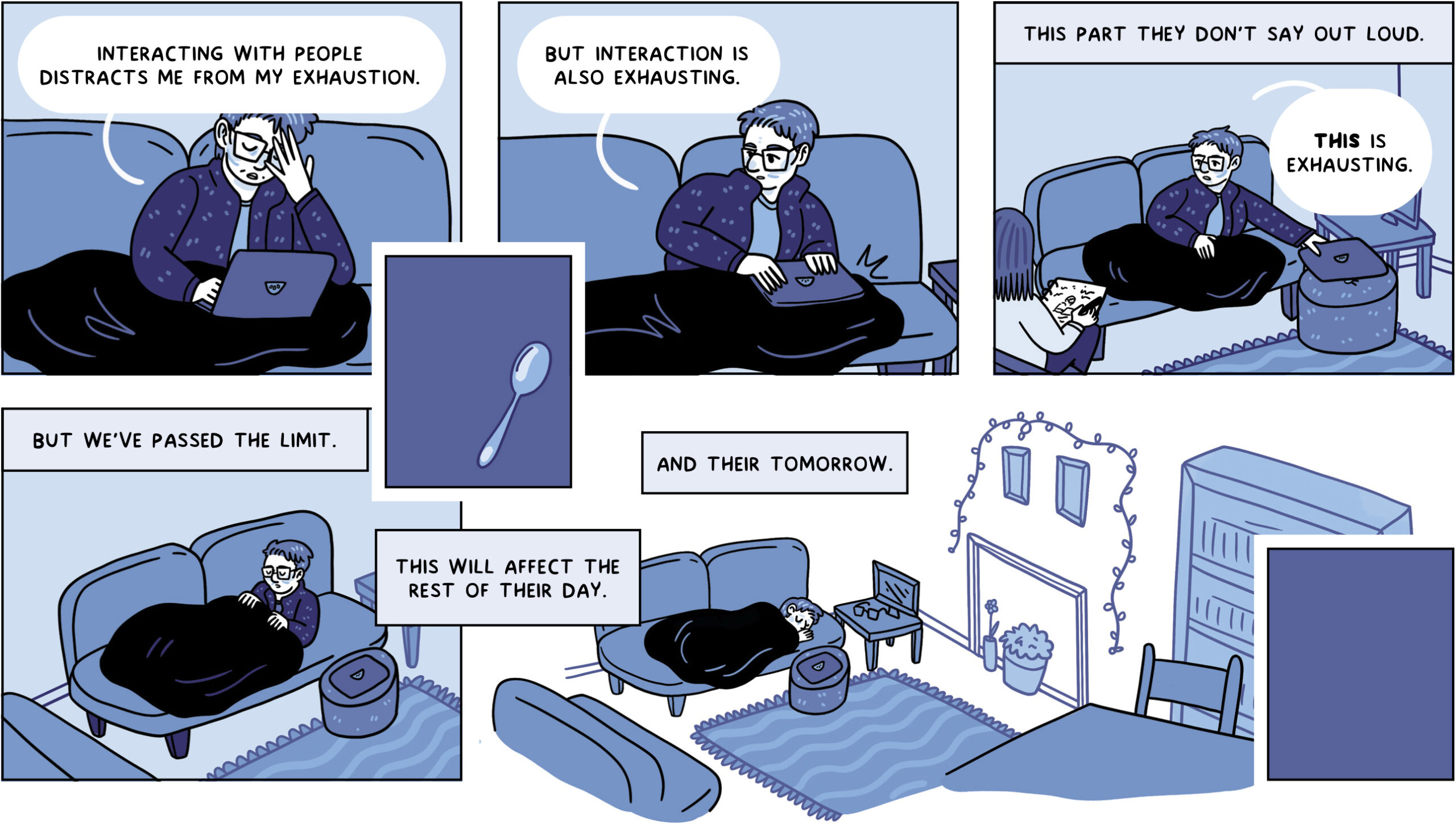
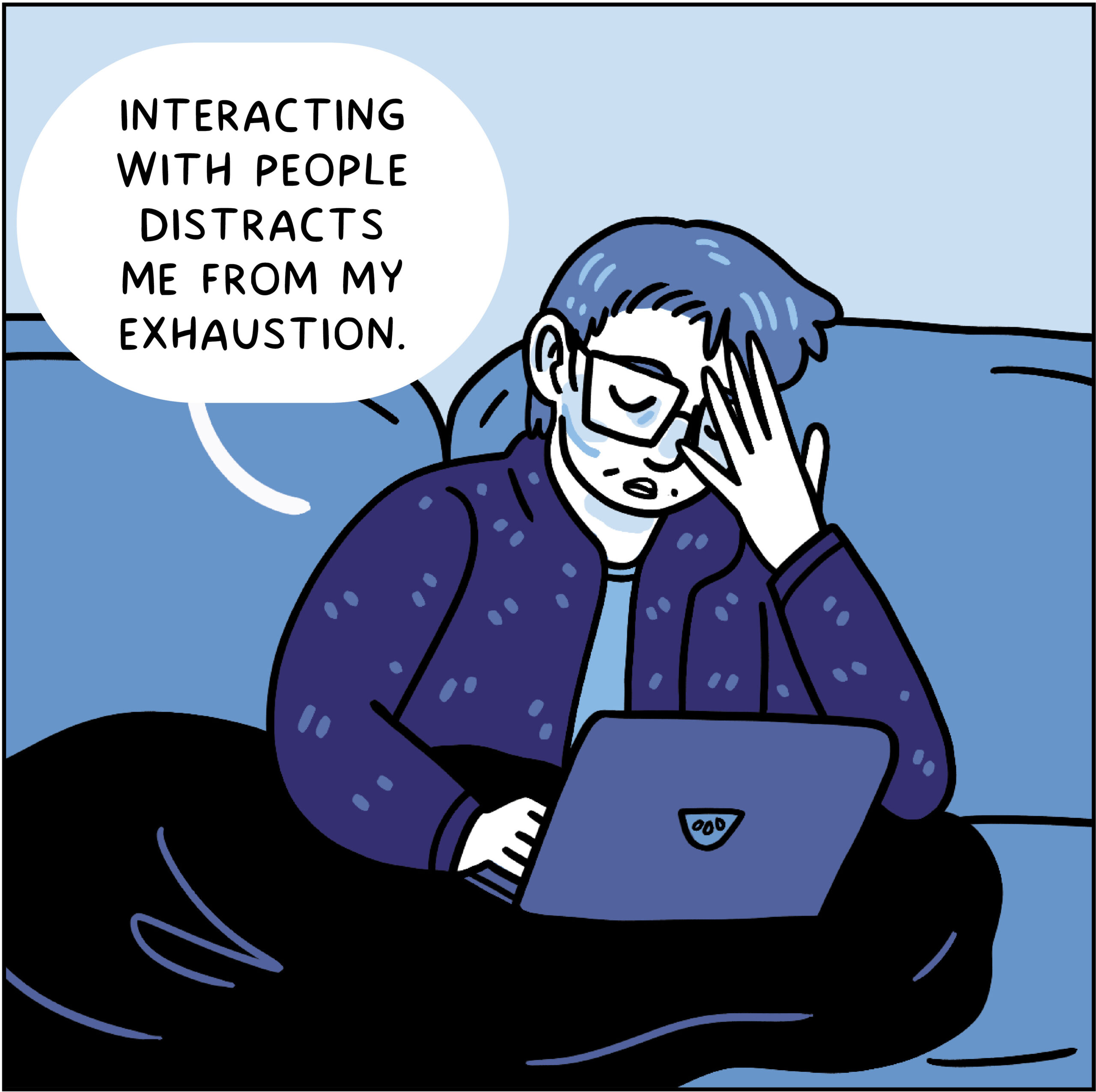
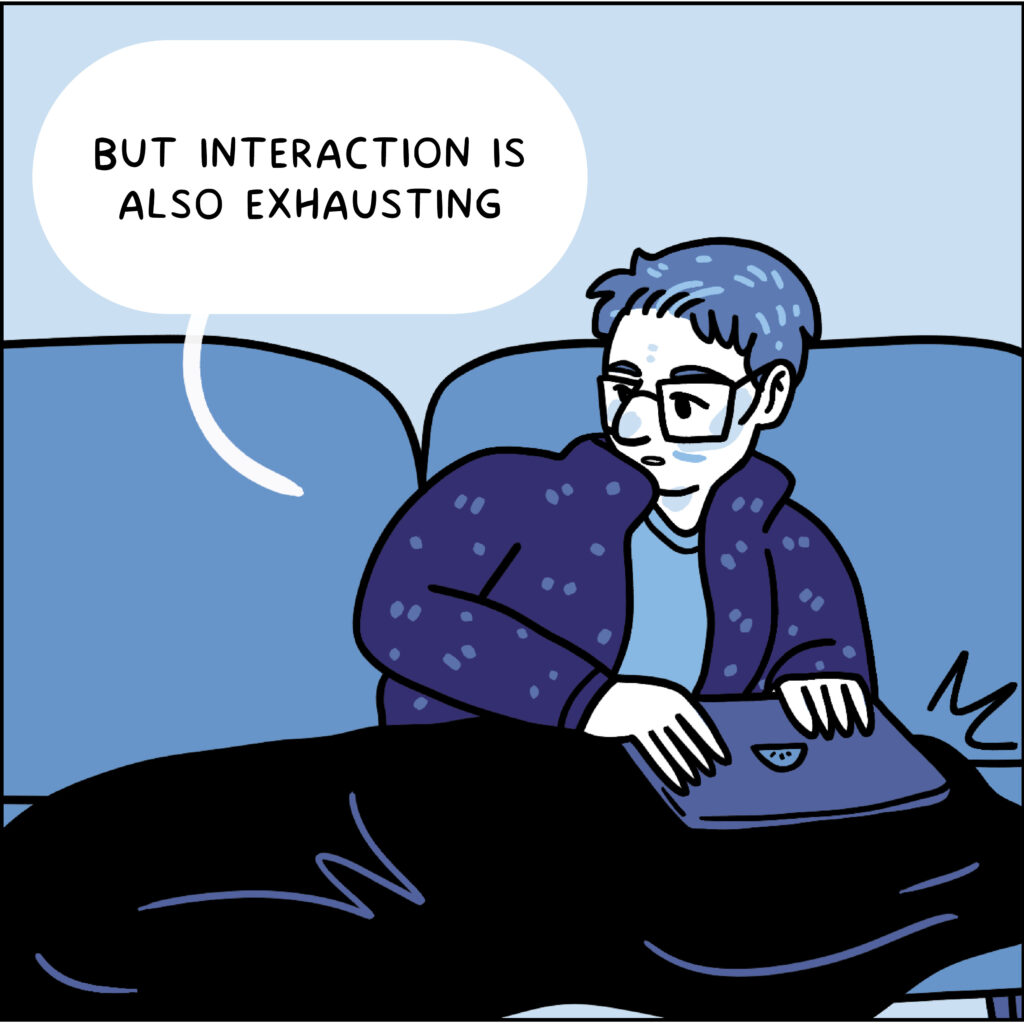
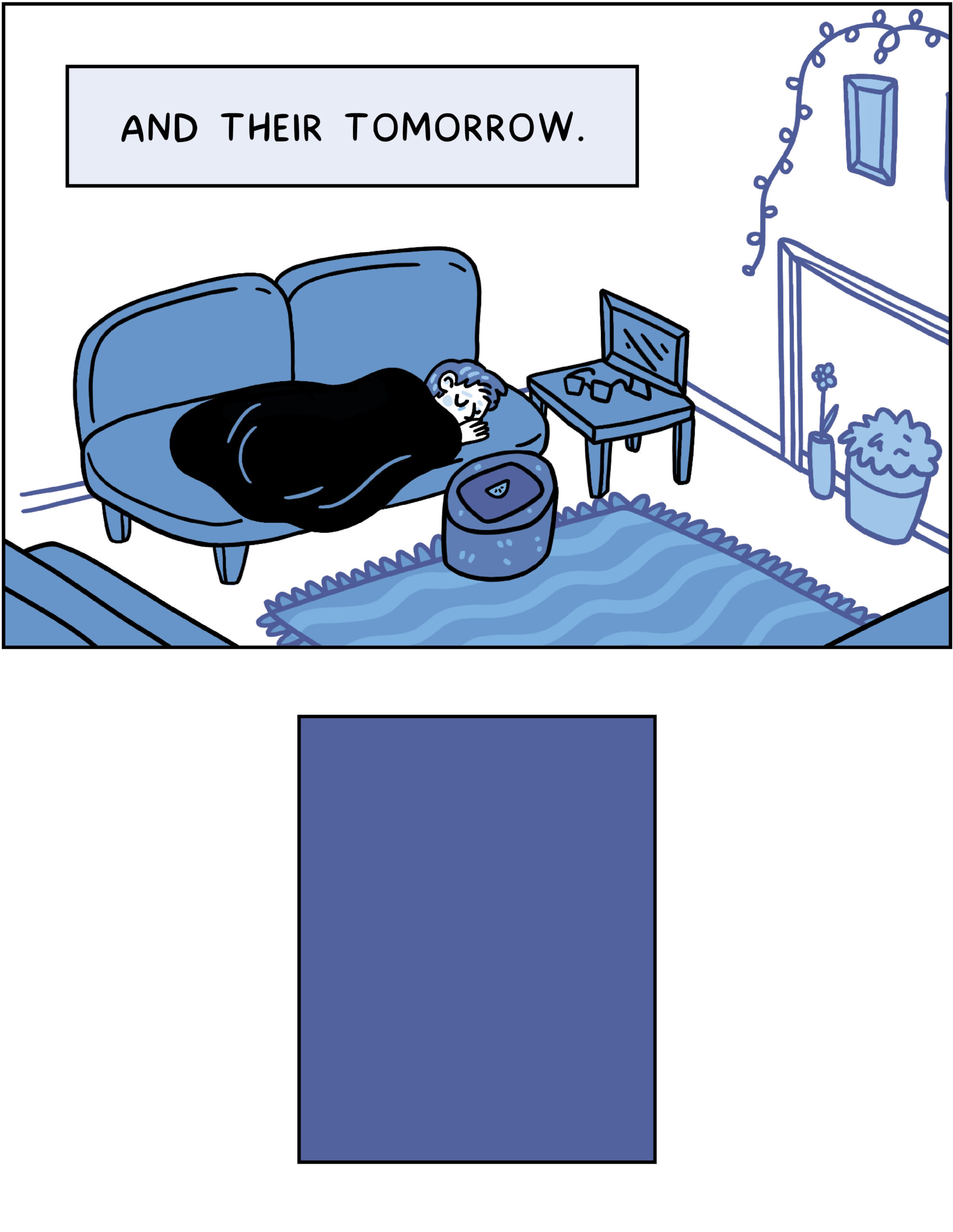
Sometimes I just use up all my energy anyway and rest the next day.
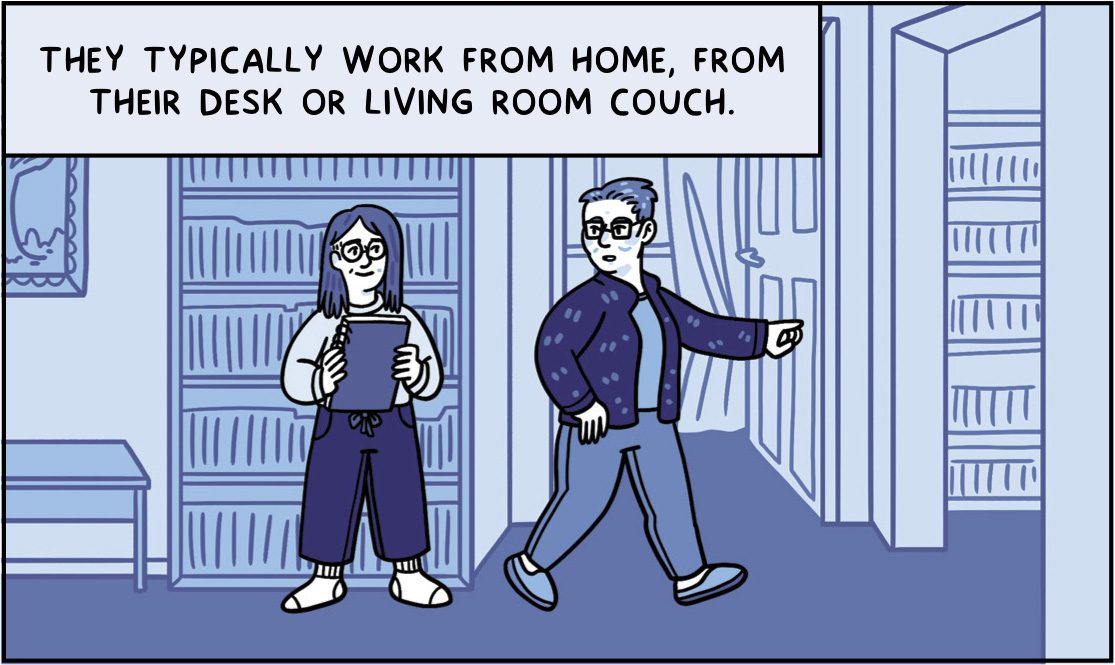
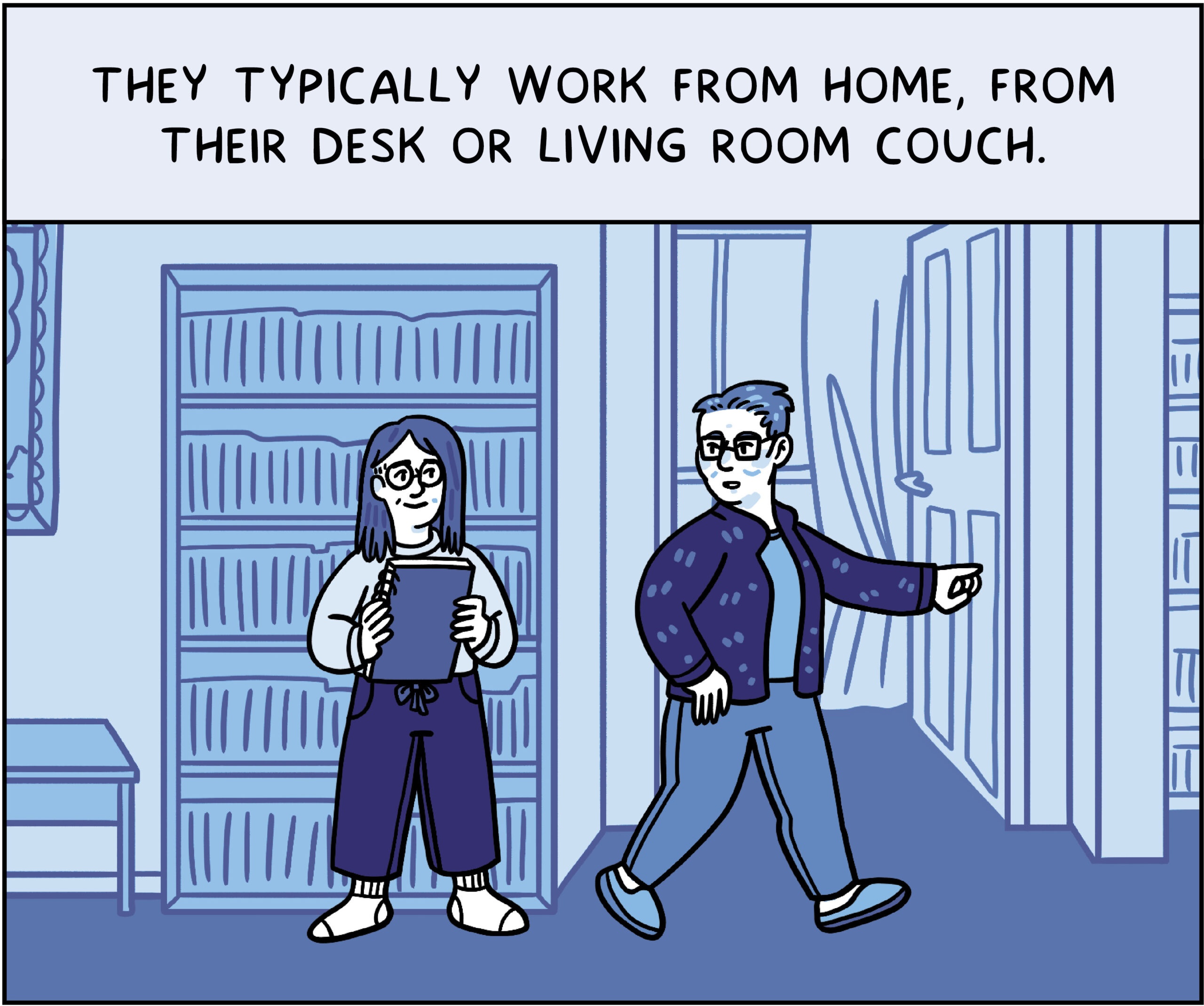
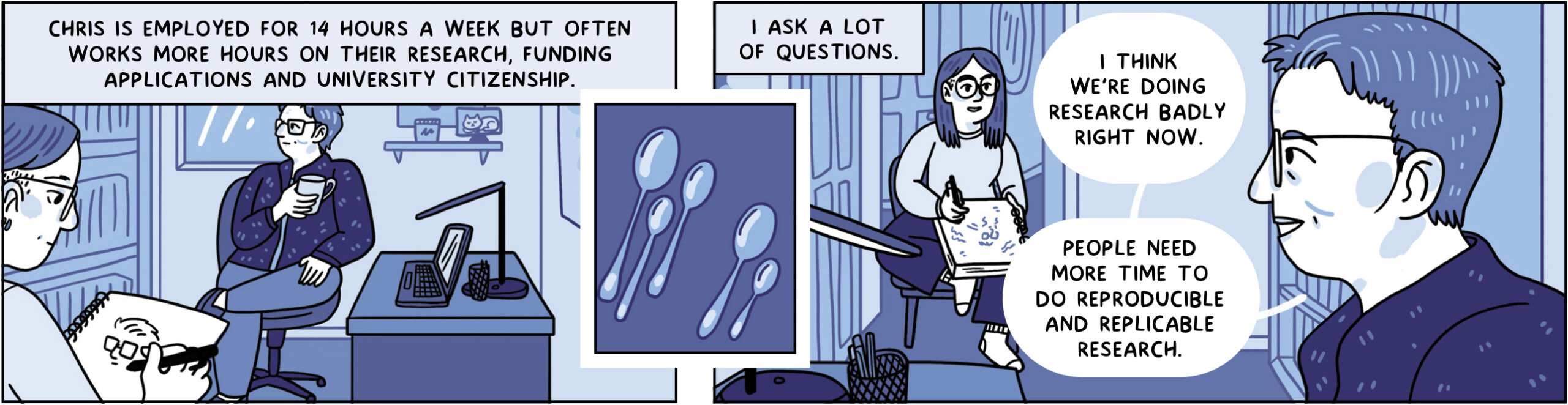
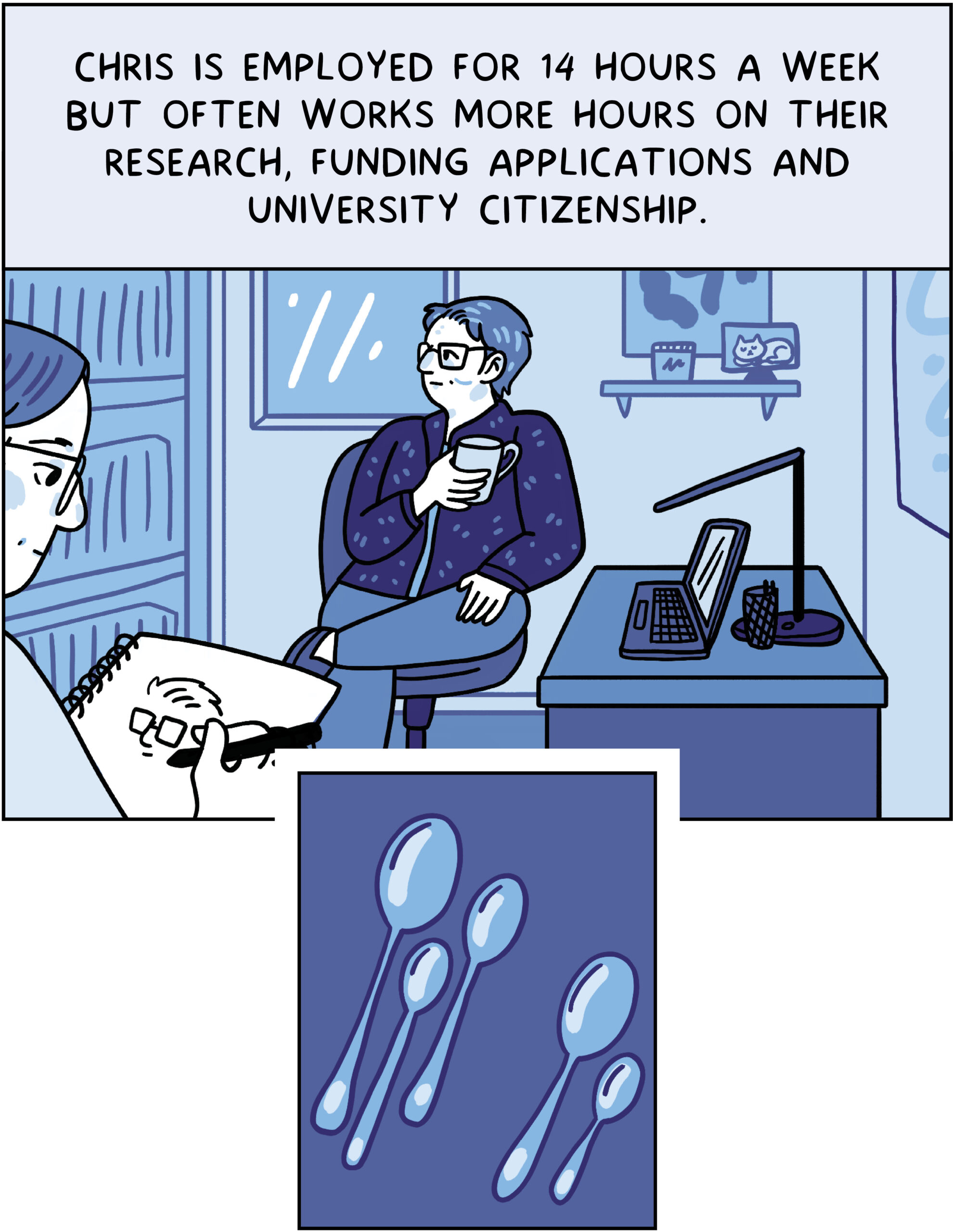
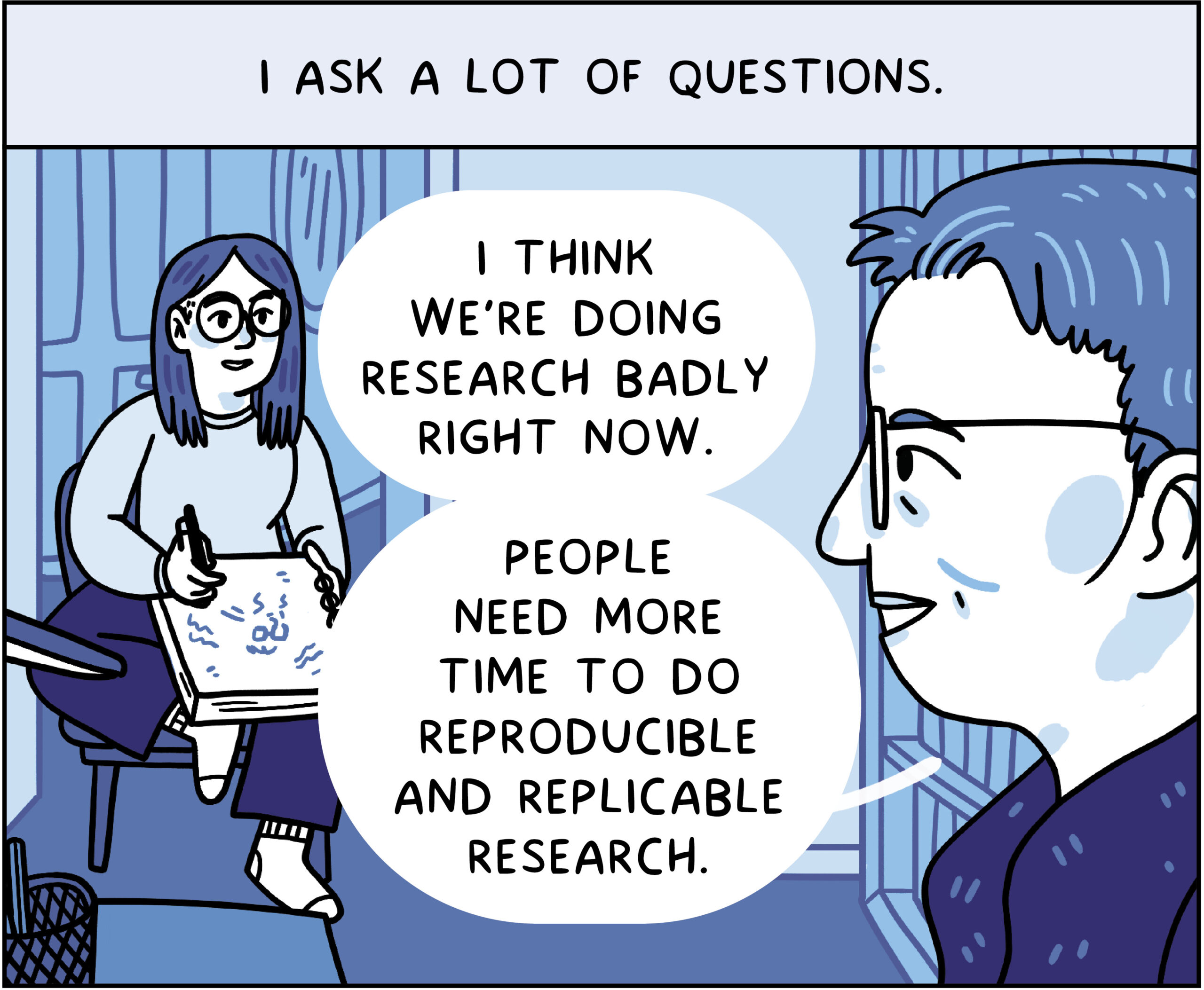
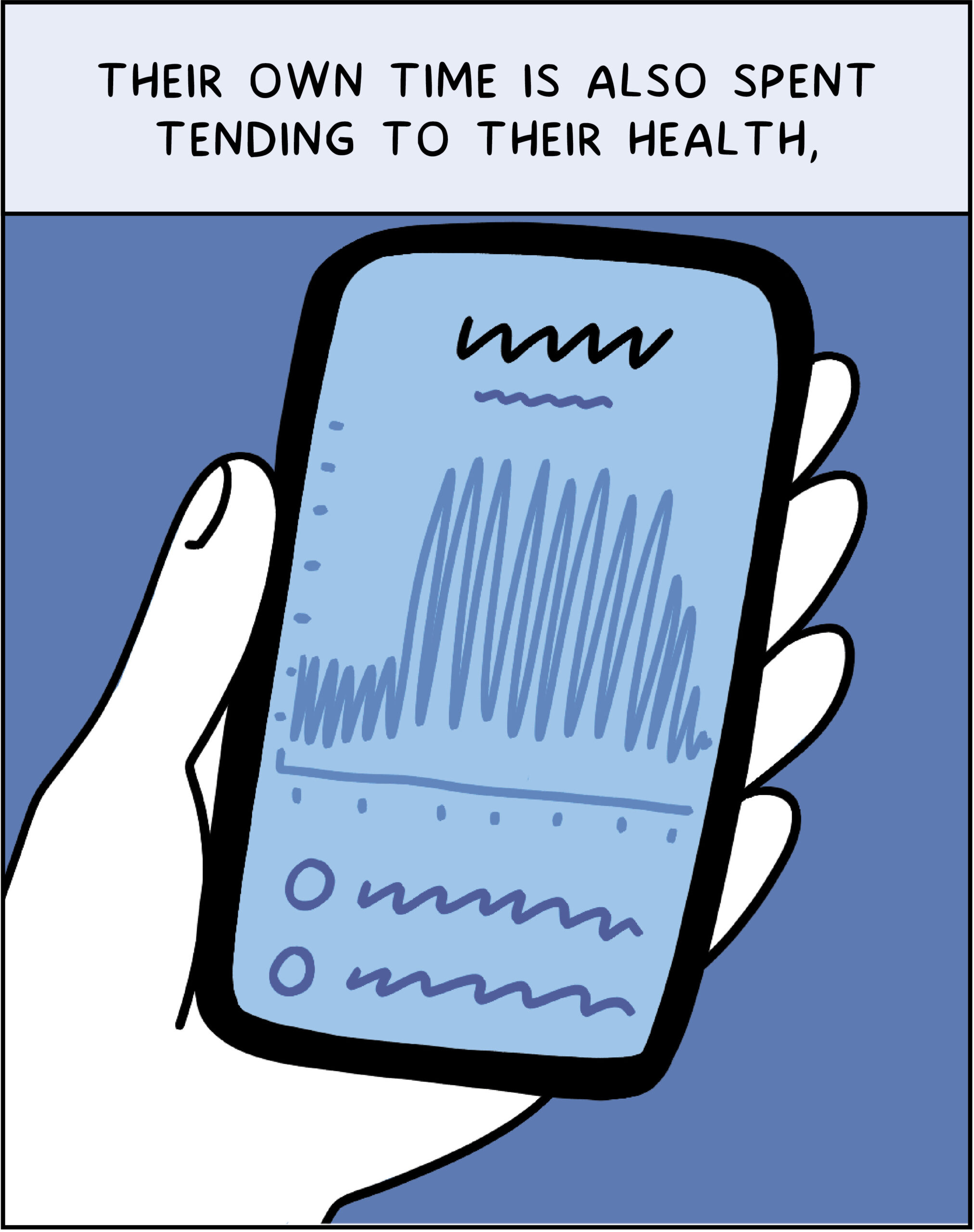
Chris is a disabled part-time researcher, casualised for almost 20 years. Their career has had periods of project funding (they got a number of grants) and periods of unemployment. On paper their contract is ‘open-ended with a review date’, but in reality this means nothing: they are always applying for research grants to stay employed. They have always worked in their own time, although they do this less now because of their chronic health condition.
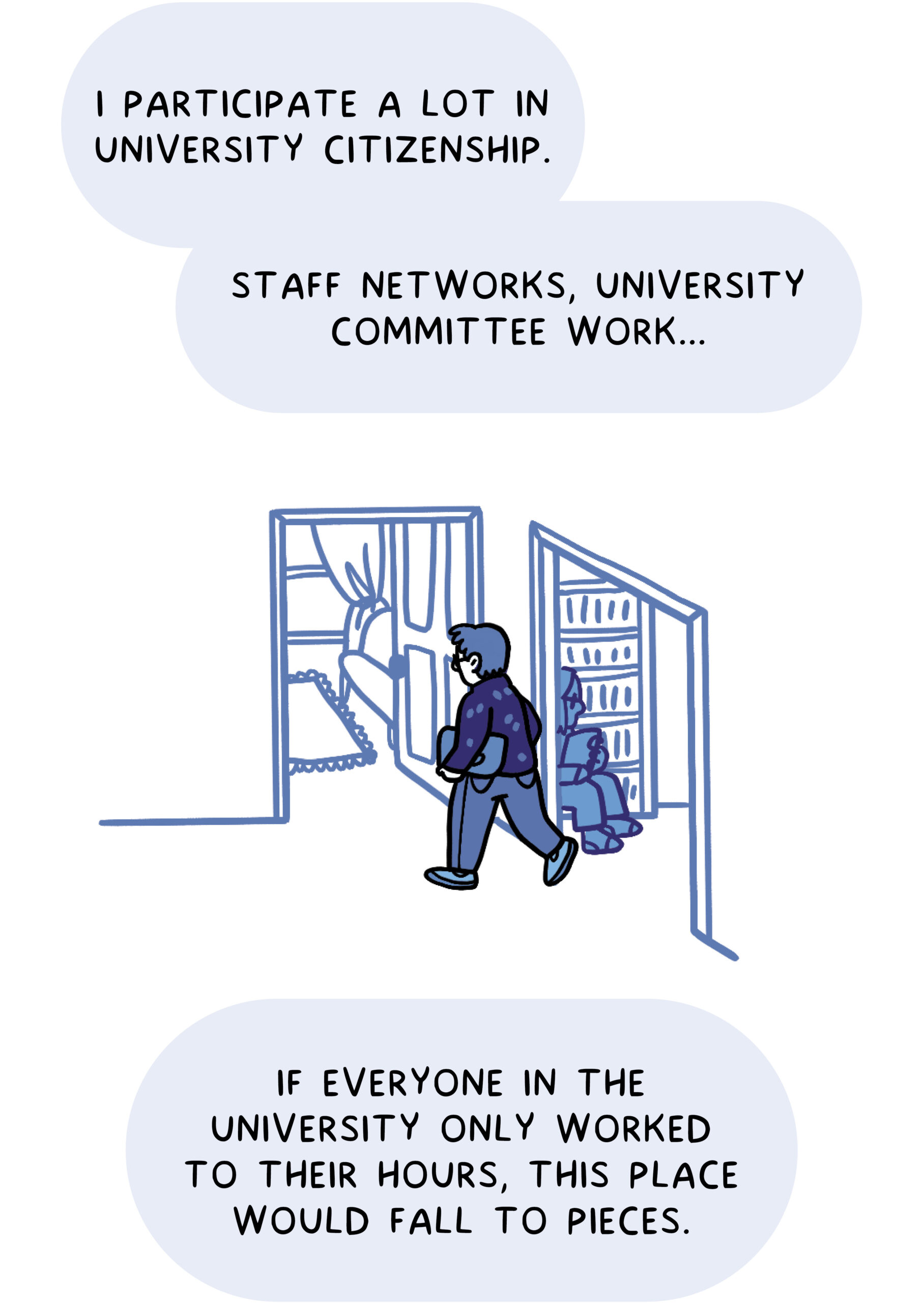
Chris highlights the overwork and unpaid work expected by academics: even as a full-time lecturer they worked in their own time, as what needed to be done could not fit within the paid hours (they went part time because of this expectation). They say: ‘The university runs on good will, it runs on everyone doing things in their own time.’ Exclusionary eligibility criteria put up further barriers: they recently wrote a big research grant application, but was told could not be PI because ‘only permanent researchers can apply’, so they had to be listed as CO-I instead (despite writing the application). They feels like Schrodinger’s cat waiting for grant application outcome: ‘my life depending on one’s output’.

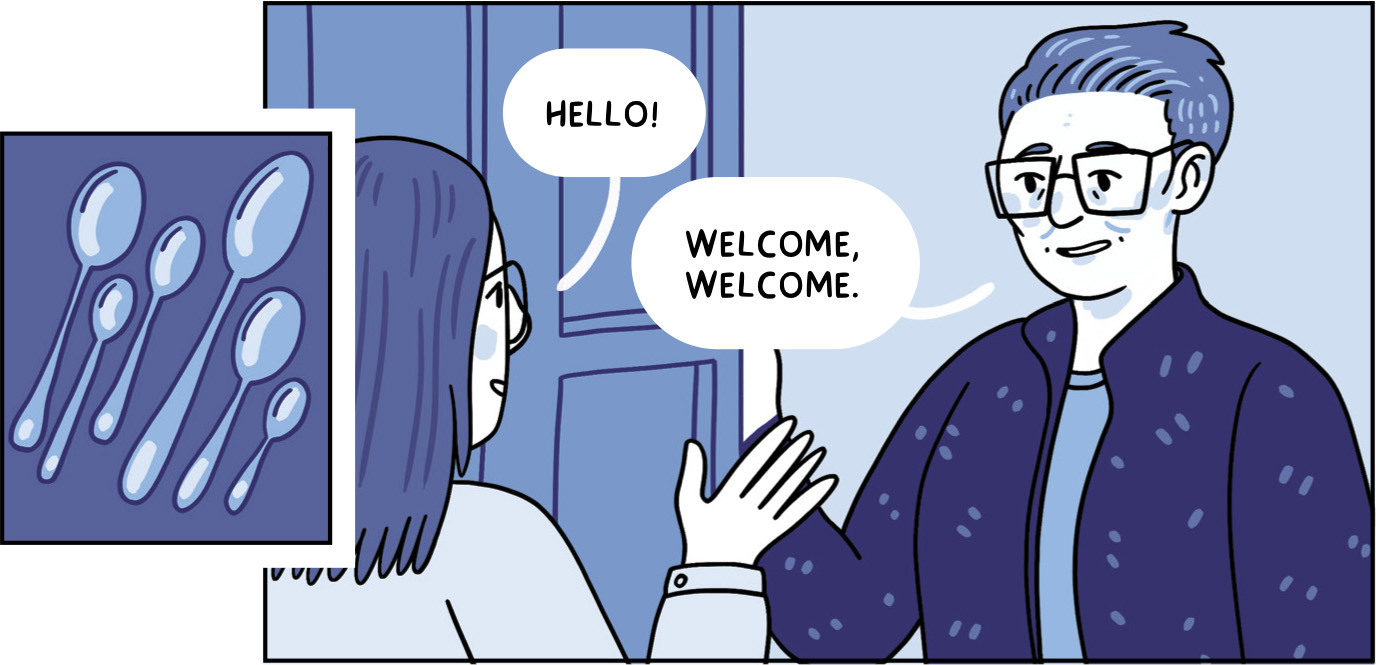
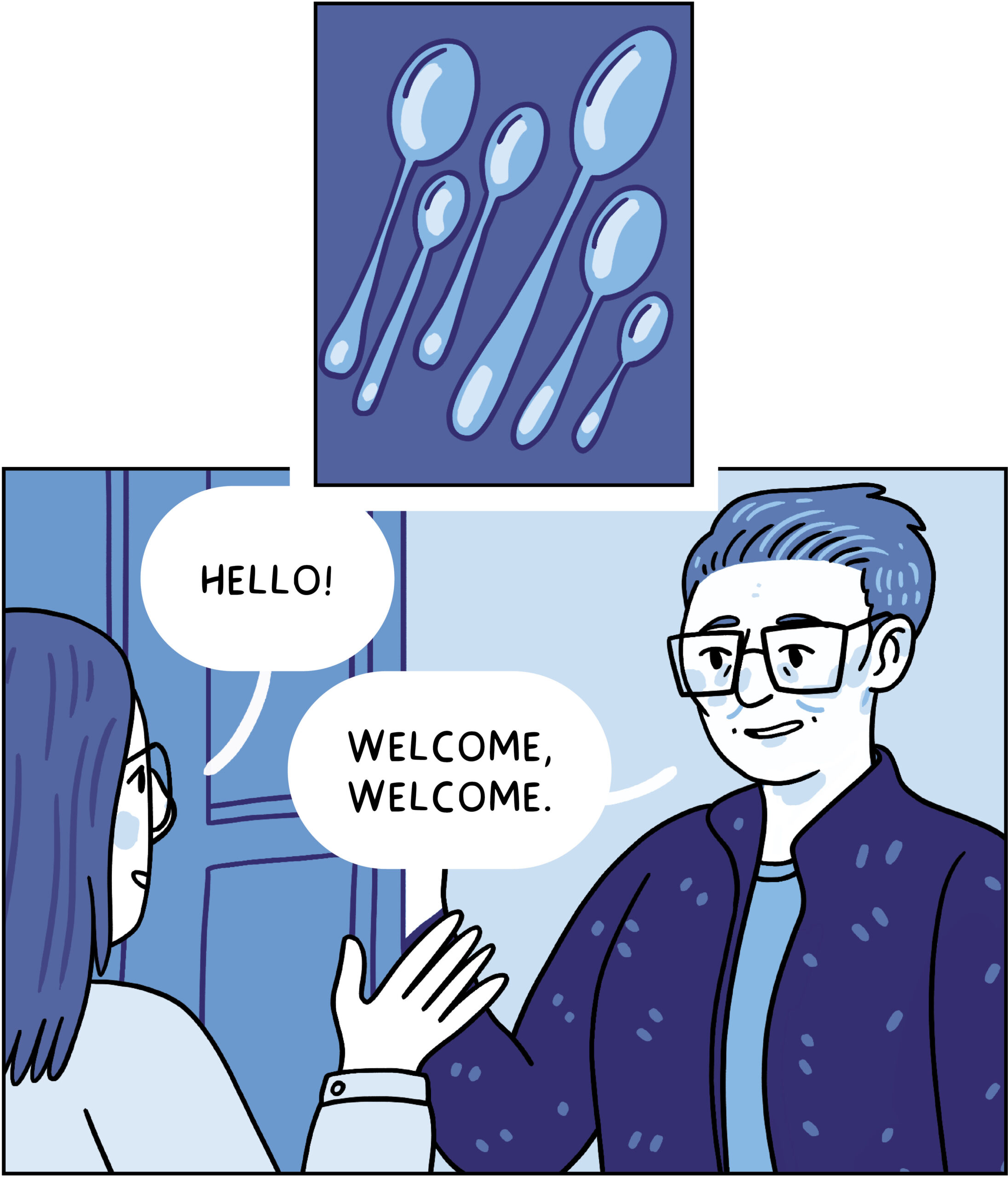
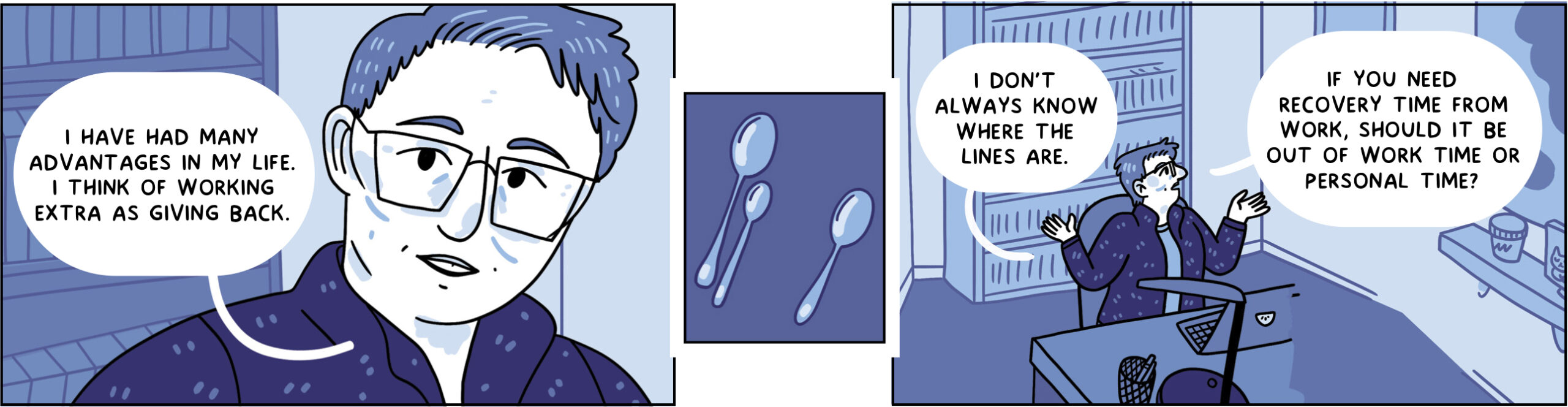
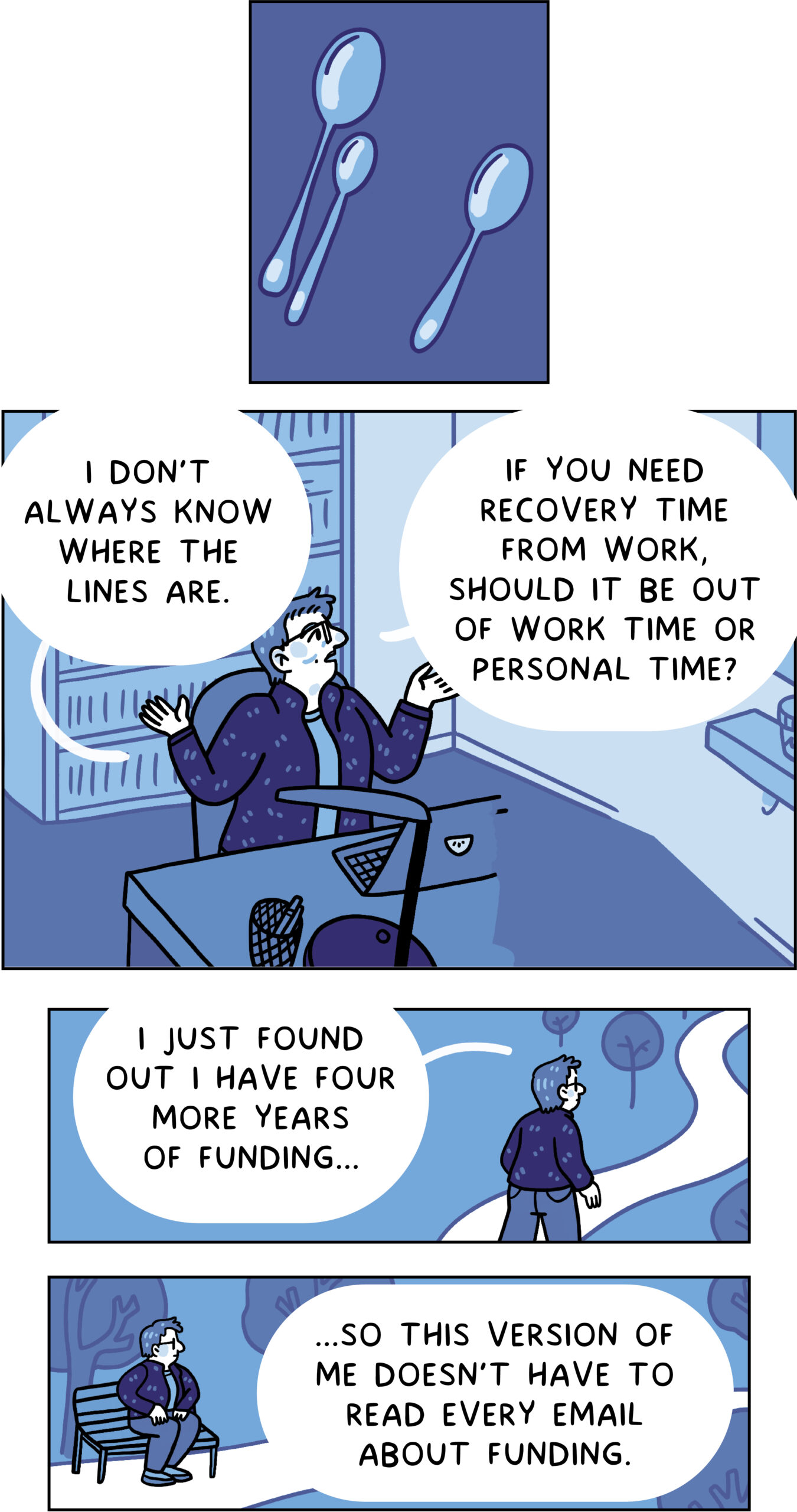
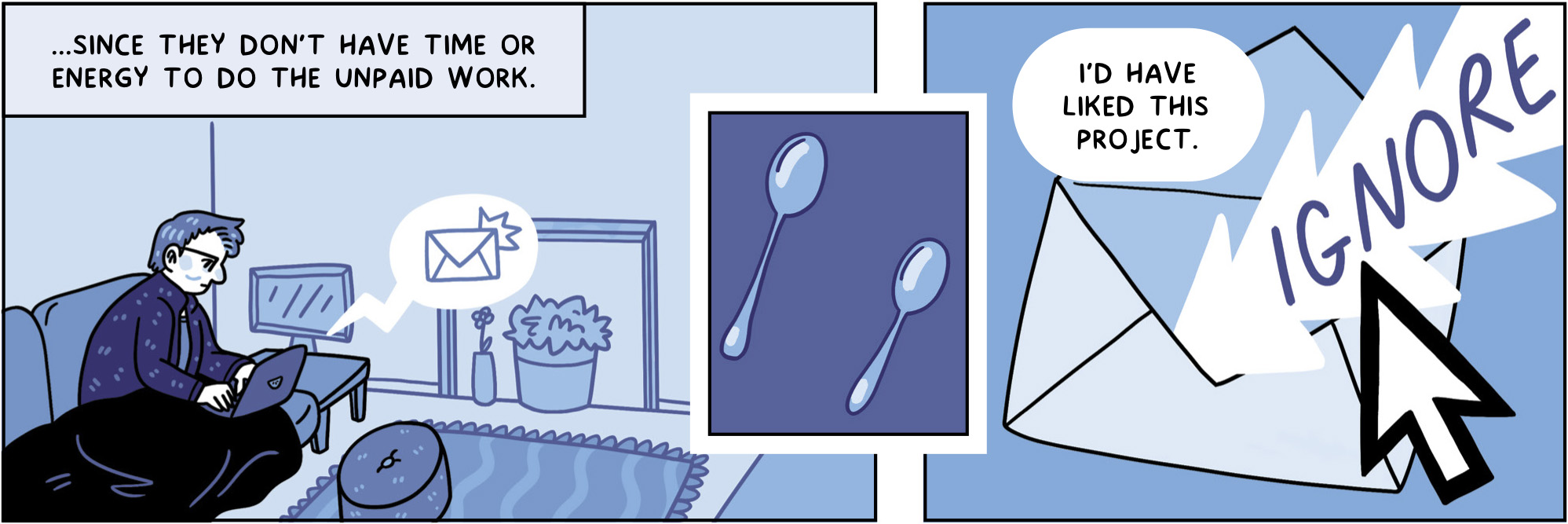
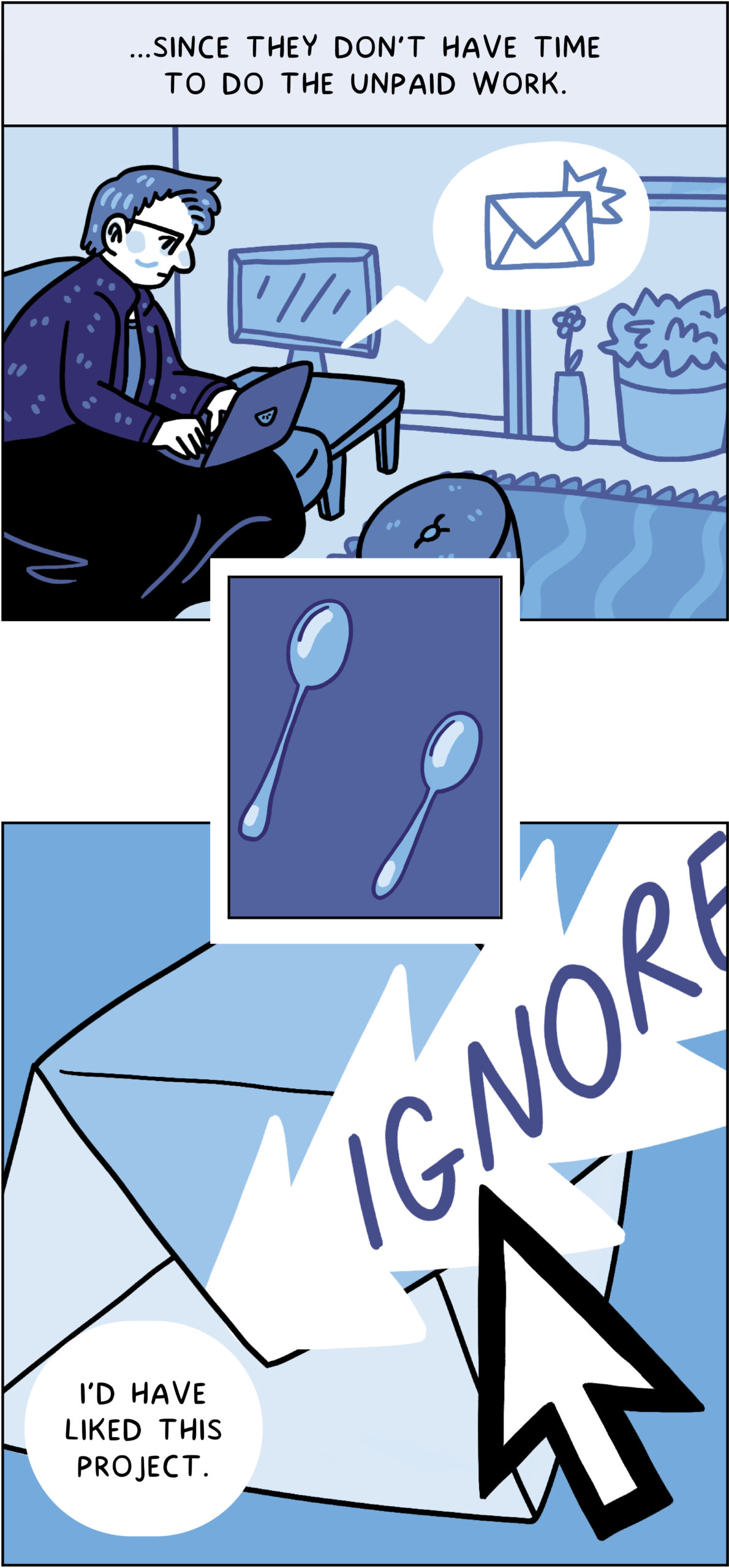
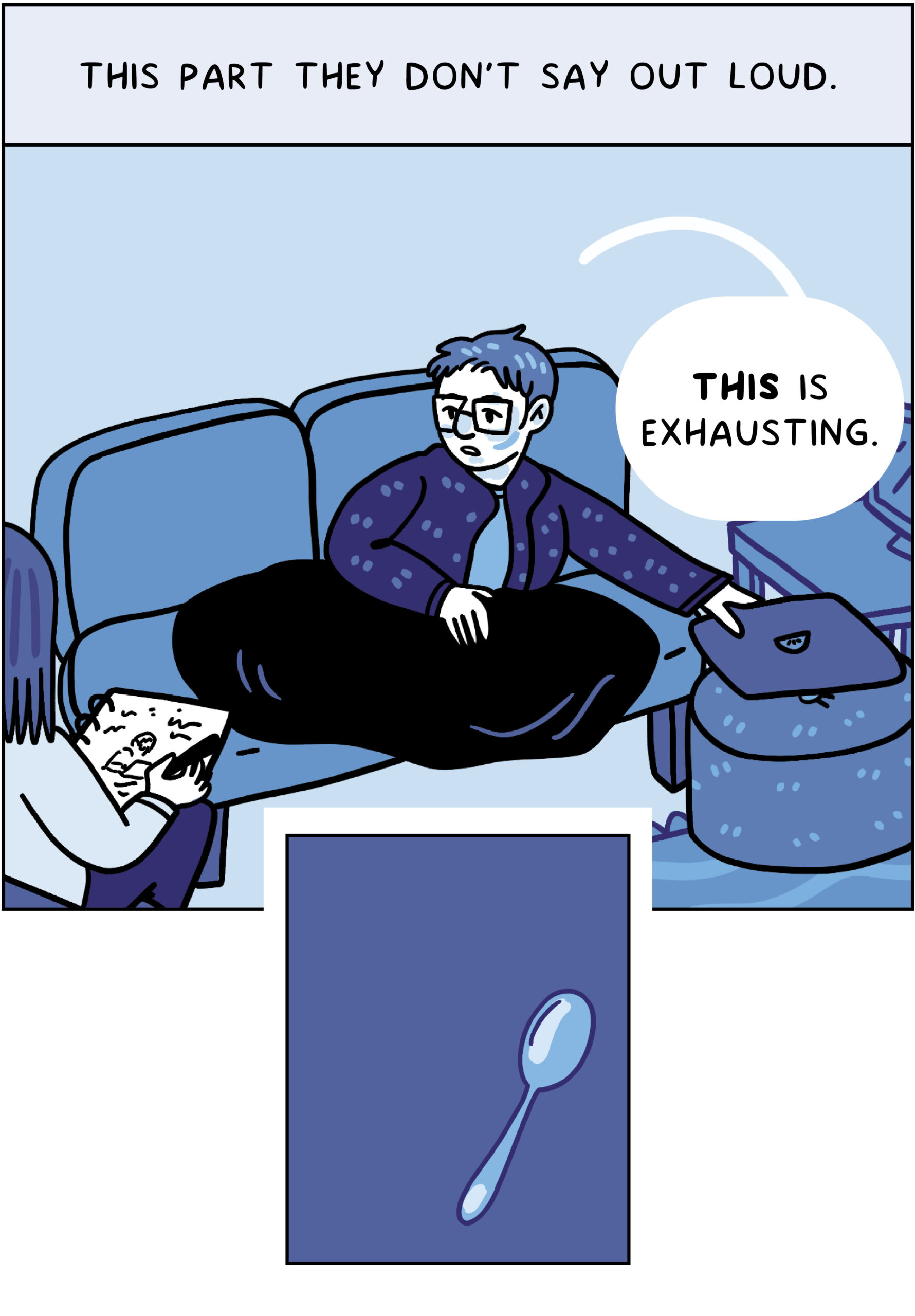
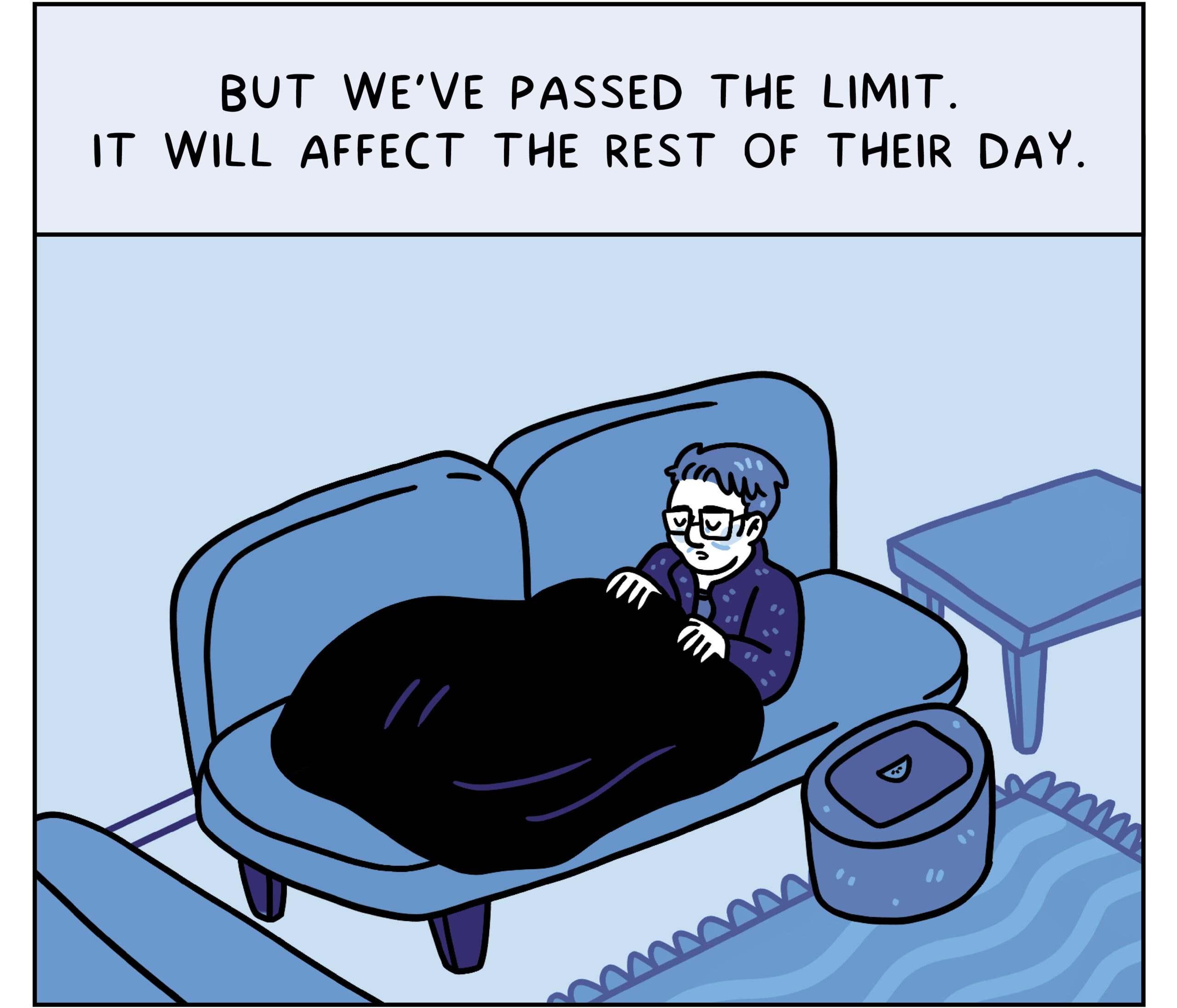
‘Spoons’ are sometimes used as metaphor by persons with energy-limiting conditions, to represent units of energy. A person may only have a certain number of ‘spoons’ per day, so even small tasks can deplete one’s energy when limited.
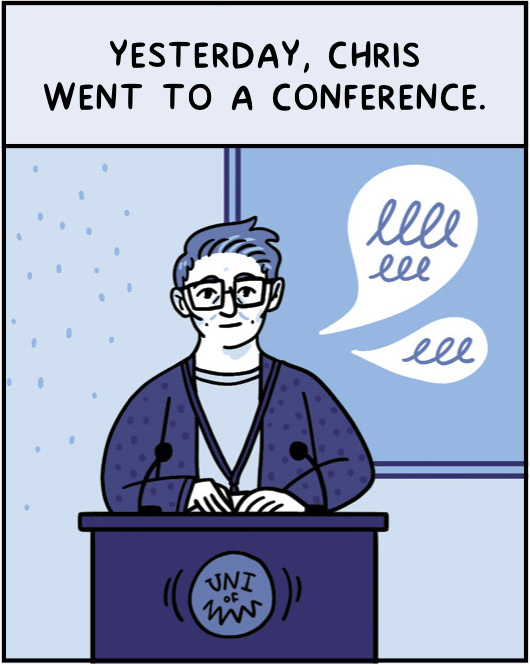
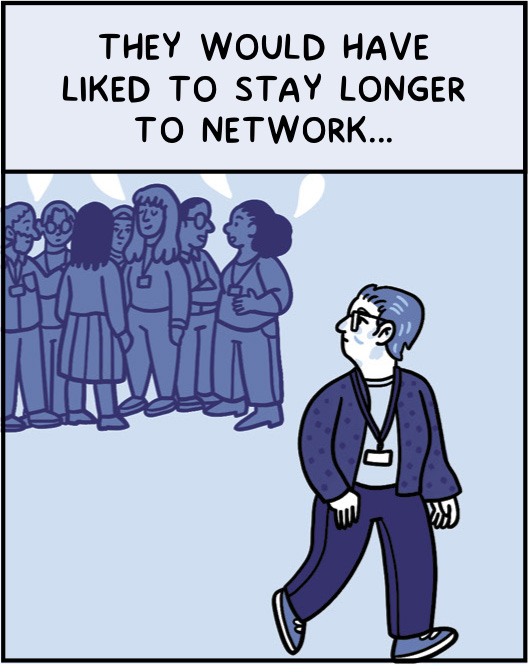
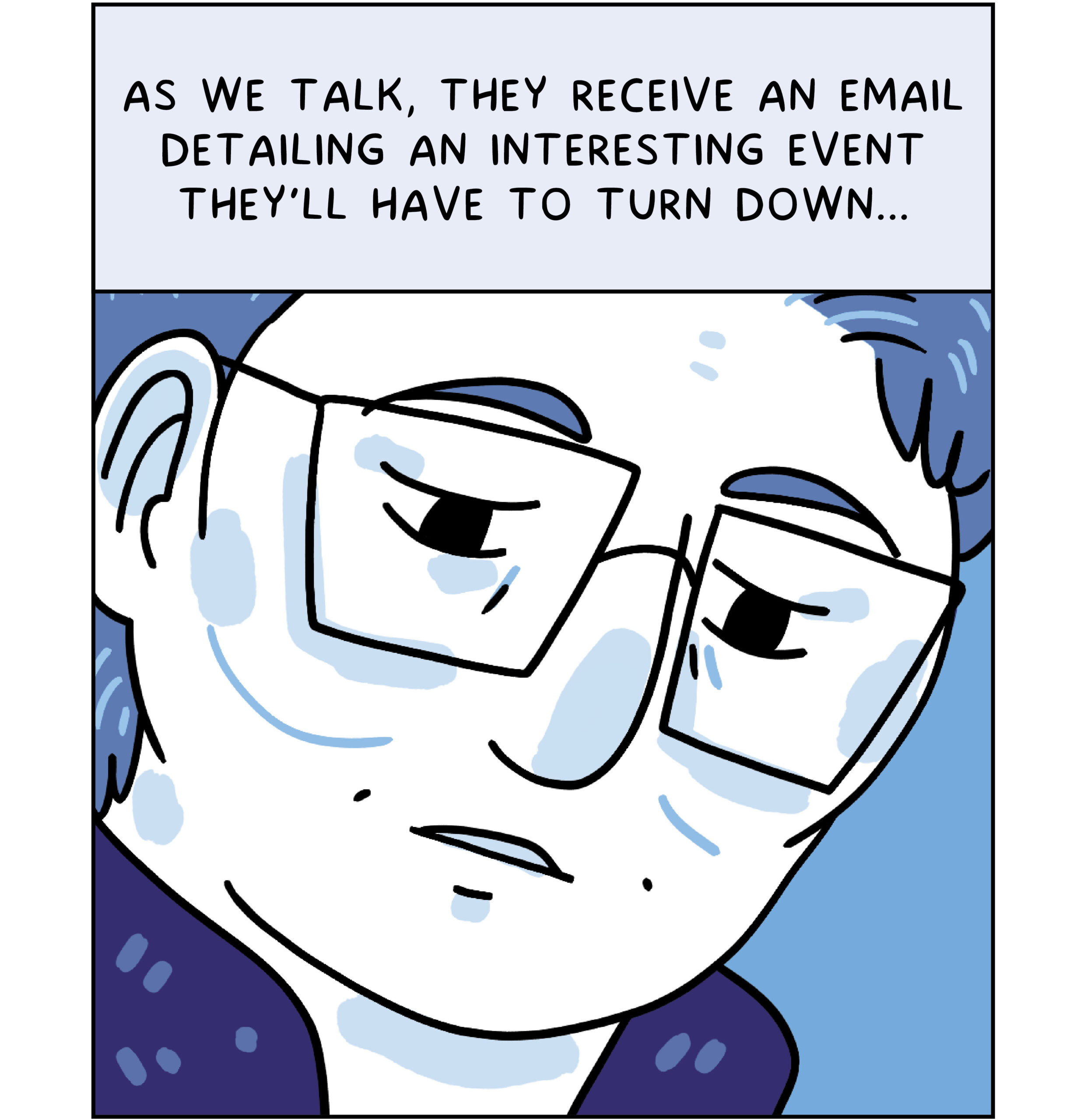
Chris’ comic: ‘Spoons’